Reader and Reflective Thinker
I read widely because it sharpens how I think, how I listen, and how I make sense of people, systems, and change.
I help colleges, universities, and mission-driven organizations move from AI uncertainty to confident, people-centered adoption — building the internal capacity, leadership alignment, and practical systems that make transformation last.
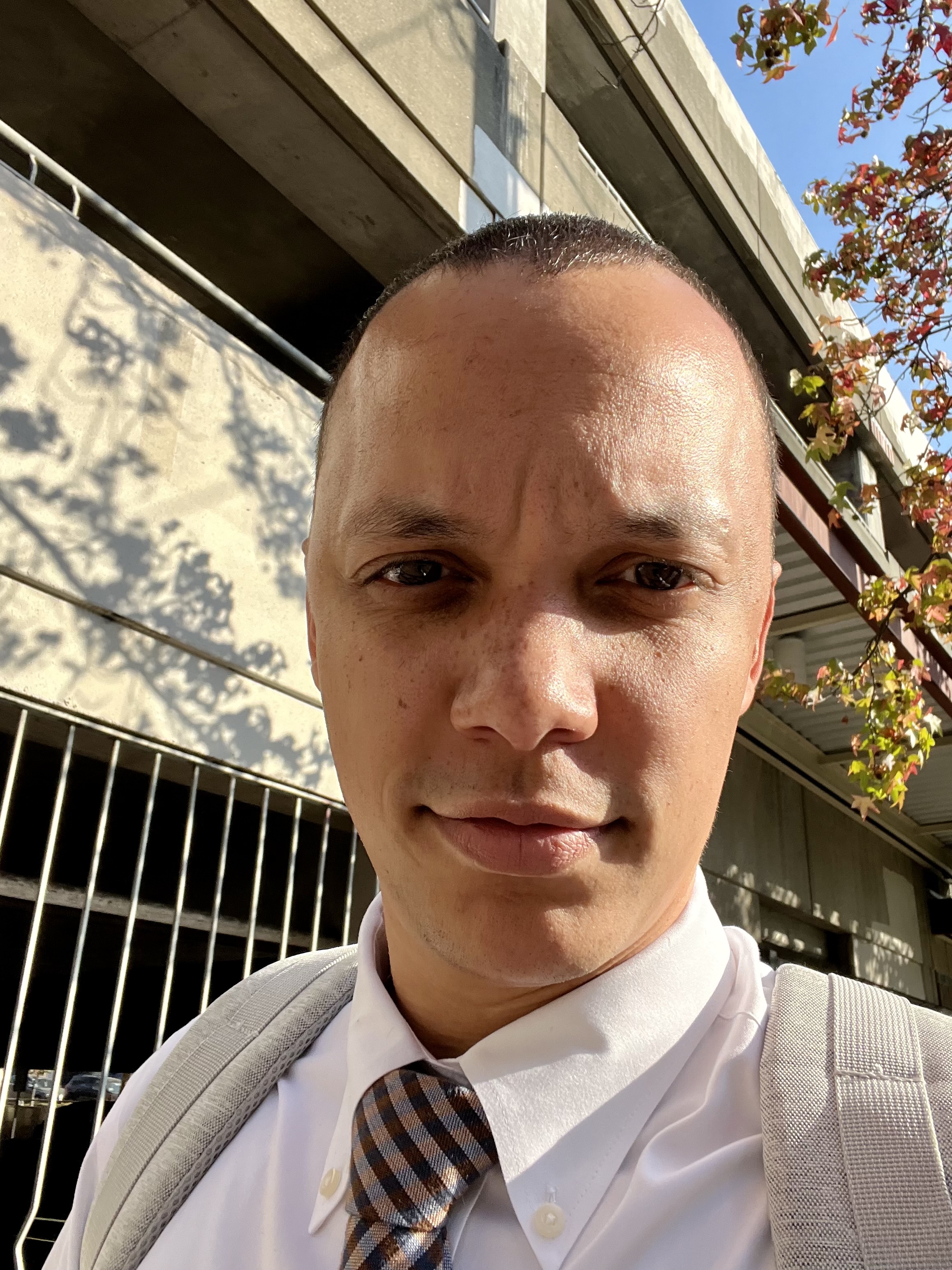
AI enablement grounded in higher education experience. I have spent over a decade inside colleges and universities — teaching, designing programs, supporting faculty, and leading operational initiatives. That insider perspective shapes how I approach AI adoption: not as a technology problem, but as a change leadership challenge that requires trust, clarity, and practical systems built around real people.
From vision to working systems. I specialize in the gap between institutional strategy and day-to-day execution. Whether the challenge is AI adoption, faculty development, accessibility, or learning technology, I connect leadership goals to the operational decisions, workflows, and professional development initiatives that make change real and sustainable.
Human-centered by training, strategic by experience. My background in psychology and human-centered design means I look for the actual barriers — not just the visible ones. I build around those realities, so the systems I help create are more equitable, more usable, and more likely to stick.
Faculty Supported Across Professional Learning Efforts
Annual Funds Managed in Higher-Ed Operations
Teaching, Program Design, and Leadership in Higher Education
Institutions do not fail at AI because of technology. They fail because adoption is treated as a rollout instead of a transformation. My approach starts with the people: what they understand, what they fear, and what they actually need to move forward. From there, I help build the structures — training, policy, process, and culture — that turn a one-time initiative into lasting capability.
I lead collaboratively and think in systems. I bring together instructional design, faculty development, educational technology, accessibility, and operational leadership as a unified whole — not separate workstreams. The goal is always the same: make innovation useful, inclusive, and durable enough to outlast the initial excitement.
My work in higher education has never fit cleanly into a single lane. Over more than a decade, I have moved between teaching, instructional design, faculty development, educational technology, and operational leadership — not because I lacked focus, but because the problems I was drawn to always crossed those boundaries.
When AI began reshaping higher education, I saw the same pattern play out repeatedly: institutions announced policies, faculty felt confused or threatened, and adoption stalled. I approached this differently. Rather than leading with tools or mandates, I built a professional development framework centered on trust and practical application. I facilitated sessions where faculty could ask honest questions, surface real concerns, and experiment in low-stakes environments. The goal was not compliance — it was genuine, sustainable adoption. Faculty left with resources they could actually use, and the confidence to keep going.
Faculty are adult learners with full schedules, competing priorities, and limited patience for professional development that feels like a checkbox. I designed learning experiences inside Canvas with that reality in mind — clear pathways, logical sequencing, accessible structure, and content that respected both the learner's time and their expertise. The result was not just better-looking courses. Completion improved because the design removed friction instead of adding it.
Designing one good workshop is a skill. Designing a faculty-facing initiative that holds together across departments, accommodates diverse learning needs, reflects institutional values, and can be repeated and refined — that is leadership work. I coordinated a large-scale educational series focused on neurodiversity and culturally responsive teaching, managing stakeholder relationships, accessibility logistics, and delivery design end to end. The work was structured to inform ongoing institutional practice, not just fill a single professional development slot on a calendar.
Good ideas do not survive without operational discipline. I have managed over $500,000 in annual departmental funds, coordinated cross-functional teams, and handled the administrative complexity that makes programs sustainable. I understand that leadership in higher education means being accountable for both the vision and the logistics — and I have operated effectively in both.
I read widely because it sharpens how I think, how I listen, and how I make sense of people, systems, and change.
I am a serious college basketball fan, and UConn is my team. I appreciate systems, coaching, momentum, and the human side of competition.
I enjoy gaming, but I am equally interested in what games reveal about motivation, engagement, and the design of experiences that keep people coming back.
I am actively seeking director, dean, or senior leadership roles in learning innovation, AI enablement, faculty development, or educational technology. If your institution is navigating what AI means for how you teach, support faculty, or serve students — and you need someone who can lead that work from the inside — I would welcome a conversation.
Connect with me on LinkedIn or reach out directly. I am also open to consulting engagements, workshops, and advisory conversations with institutions and organizations working through this transition.